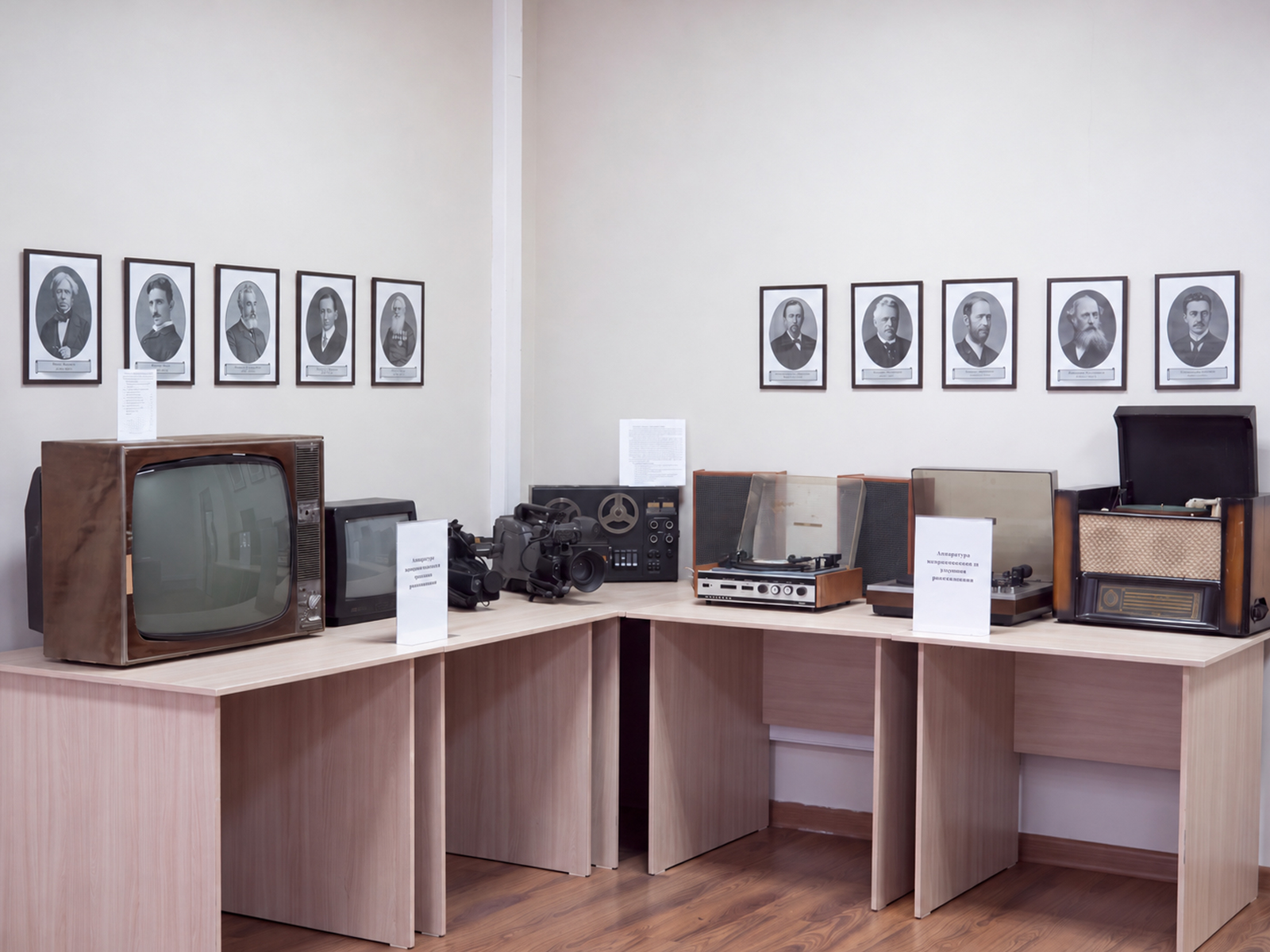
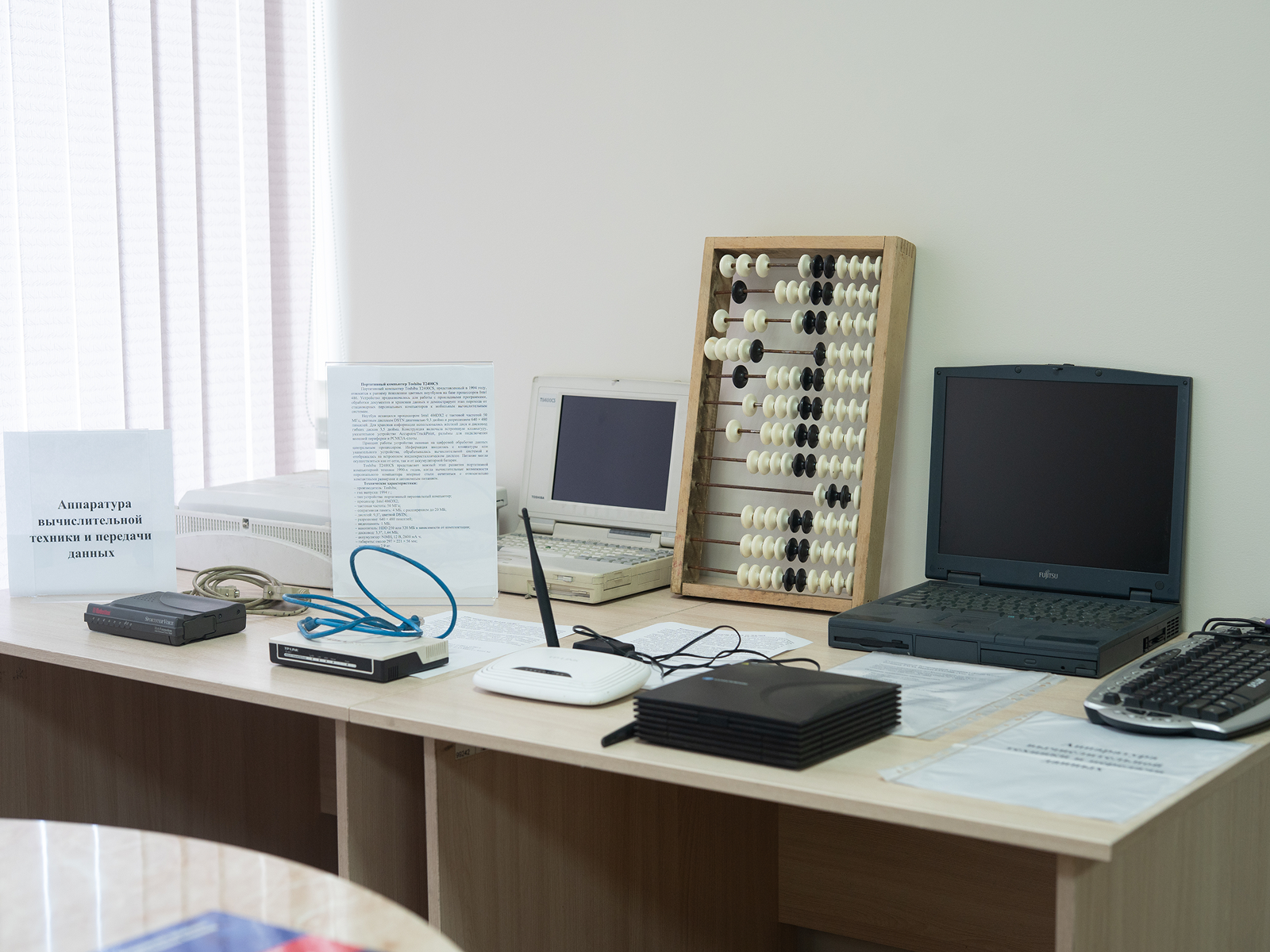
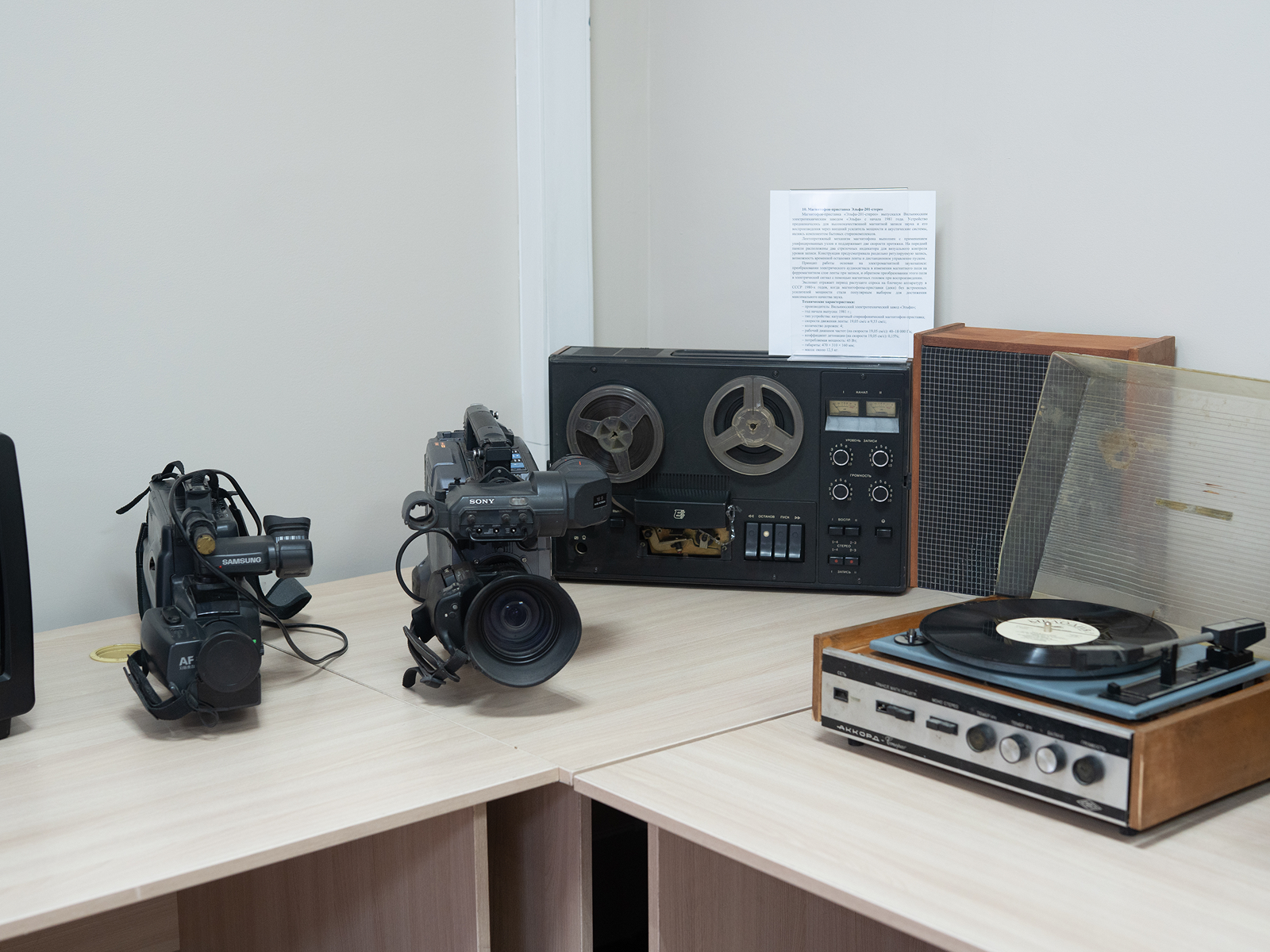
The Museum of Information and Communication Technologies (ICT) has been established at the International Information Technology University (IITU) on the initiative of the Department of Intelligent Telecommunications (RET).
The primary purpose of the ICT Museum is to preserve, study, and promote the history of information and communication technologies, demonstrate the continuity and evolution of technology across generations, and integrate museum exhibits into the university's educational, scientific, and career guidance activities.
Main Objectives of the Museum
1. Preservation of Historical Heritage
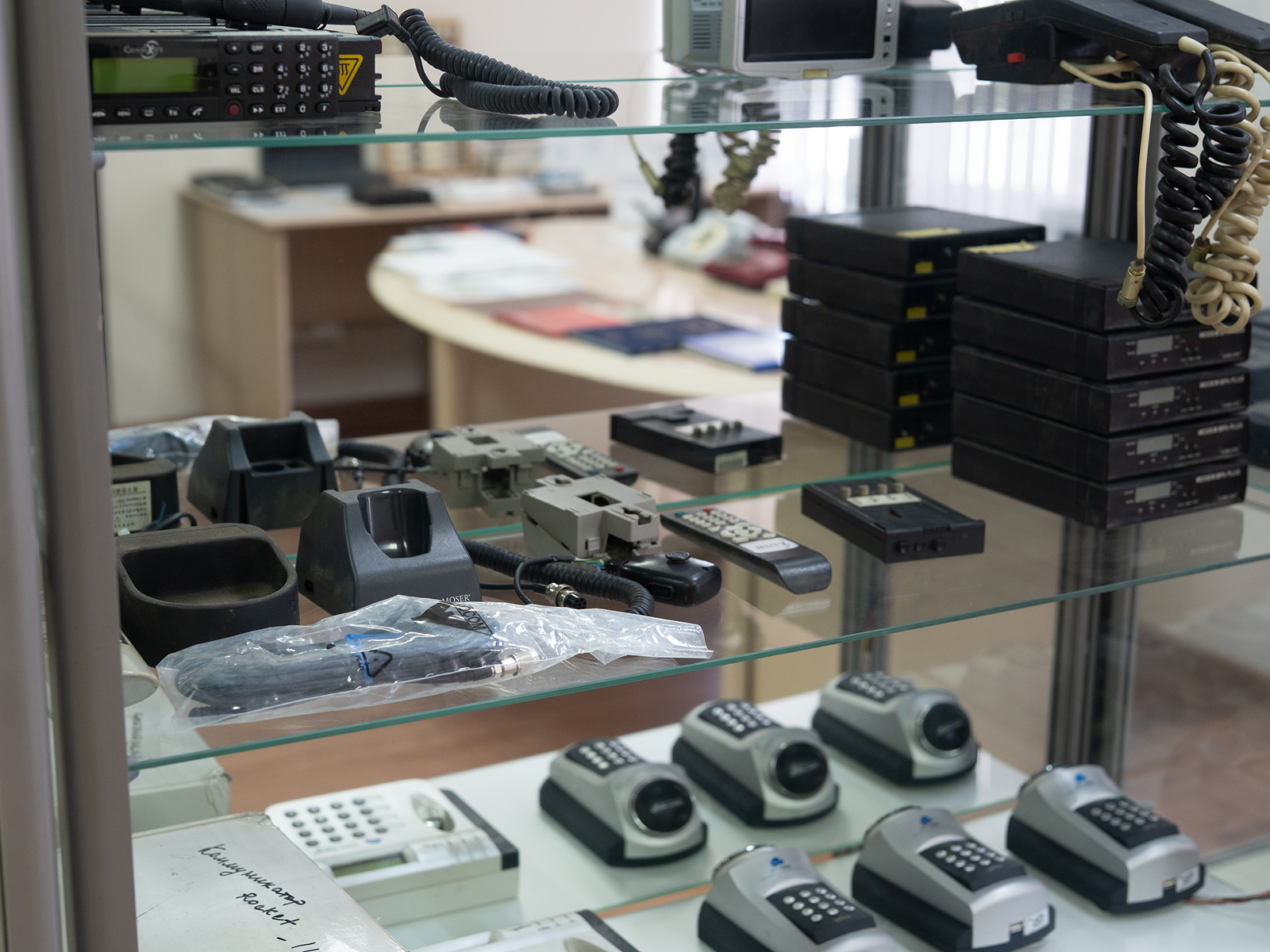
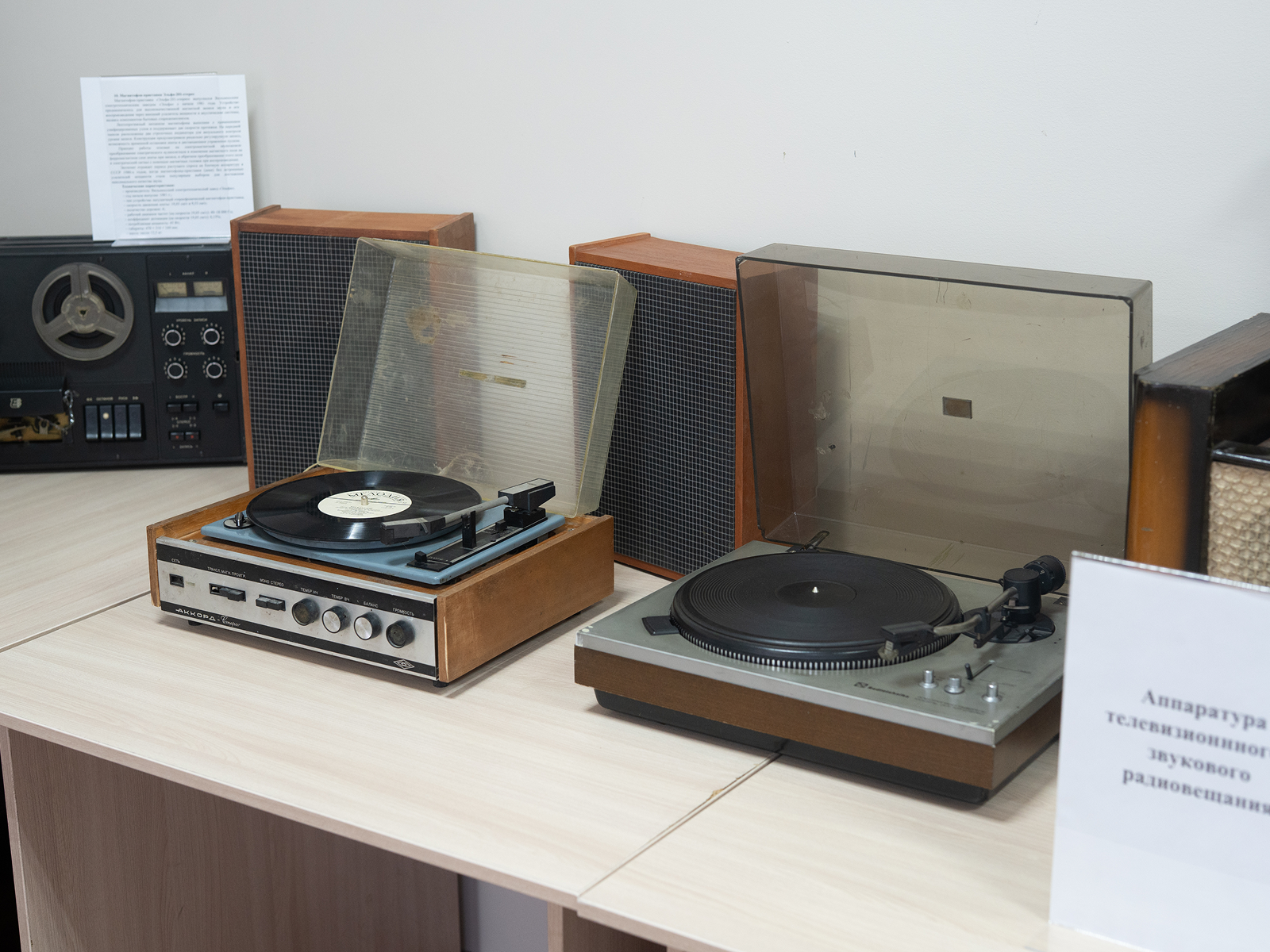
— Collecting, cataloging, preserving, and restoring radio, television, telecommunications, and computer equipment.
— Preserving documents, photographs, diagrams, catalogs, and other materials related to the history of ICT.
— Establishing a university collection of historical exhibits.
2. Educational Activities
— Incorporating museum exhibits into the educational process.
— Conducting practical sessions, laboratory work, and demonstrations.
— Introducing students to the operating principles of equipment from different technological generations.
— Demonstrating the evolution from analog telecommunications systems to digital, mobile, satellite, and modern communication networks.
3. Scientific and Research Activities
— Studying and conducting research on the history and development of ICT.
— Preparing scientific publications, presentations, exhibitions, and educational materials.
— Engaging students and faculty members in research projects.
4. Career Guidance
— Introducing school students to careers in the ICT field.
— Organizing guided tours and open days.
— Demonstrating the capabilities of modern technologies.
— Increasing prospective students' interest in engineering and ICT-related fields of study.
5. Promotion of ICT
— Organizing thematic exhibitions, lectures, seminars, and workshops.
— Creating temporary exhibitions dedicated to specific fields, including radio, television, mobile communications, satellite communications, the Internet, computing technology, and artificial intelligence.
— Promoting the achievements of Kazakhstani scientists, engineers, and industry professionals.
6. Ensuring Continuity Between Generations
— Demonstrating the connection between historical technologies and modern systems.
— Showcasing the evolution of communication technologies “from the first radio transmitters to 5G/6G, satellite systems, and the Internet of Things (IoT).”
— Inviting industry veterans to meet with students and share their experiences.
7. Practical and Interactive Activities
— Developing functional demonstration stands.
— Restoring selected equipment to demonstrate its operating principles.
— Incorporating QR codes, multimedia materials, and virtual exhibitions.
— Creating a digital catalog of museum exhibits.
8. Development of Cooperation
— Establishing partnerships with companies in the ICT industry.
— Collaborating with museums, research institutions, and professional associations (ITU, RCC, and others).
— Engaging industry companies in developing the museum's collection.
— Organizing joint exhibitions and events.