
KUTEL
Kazakh Universities to foster quality assurance processes in Technology Enhanced Learning
- Duration
- 3 years (2018–2021)
- Budget
- EUR 717,277
- Coordinator
- Guglielmo Marconi University (Rome, Italy)
- European partners (4)
- Guglielmo Marconi University (Italy); Burgas Free University (Bulgaria); University of Turku (Finland); Special Account for Research Funds of the Hellenic Open University (Greece)
Project description and objectives
“Kazakh Universities to foster Quality Assurance Processes in Technology Enhanced Learning” (KUTEL) is a three-year project co-funded by the European Commission in the framework of the ERASMUS Plus Programme, Key Action 2 “Capacity-building in the Field of Higher Education”.
KUTEL core objective was to promote the modernization of HE in Kazakhstan through the introduction of a national quality assurance system for technology-enhanced learning by guaranteeing the improvement and implementation of accreditation standards and procedures of TEL courses.
KUTEL specific objectives were:
- Modernize and reform teaching methodologies through the introduction of quality assurance (QA) framework in blended learning.
- Develop and improve accreditation standards and procedures related to quality assurance of technology-enhanced learning (TEL) in Kazakhstan universities according to EU practices.
- Establish a methodological framework to improve TEL quality assurance in Kazakh universities.
- Provide training for Higher Education (HE) key actors and public authorities responsible for accreditation and evaluation of TEL programs.
Achievements
The results achieved:
- Development of courses in 5 training modules to improve quality assurance processes in technology-enabled learning (TEL), dissemination of its content throughout Kazakhstan by national webinars.
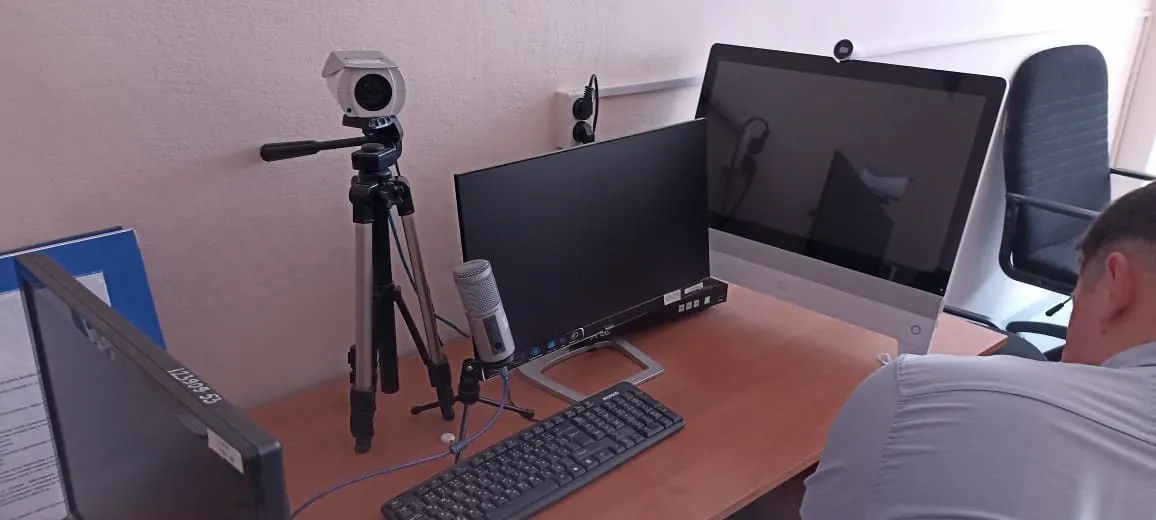
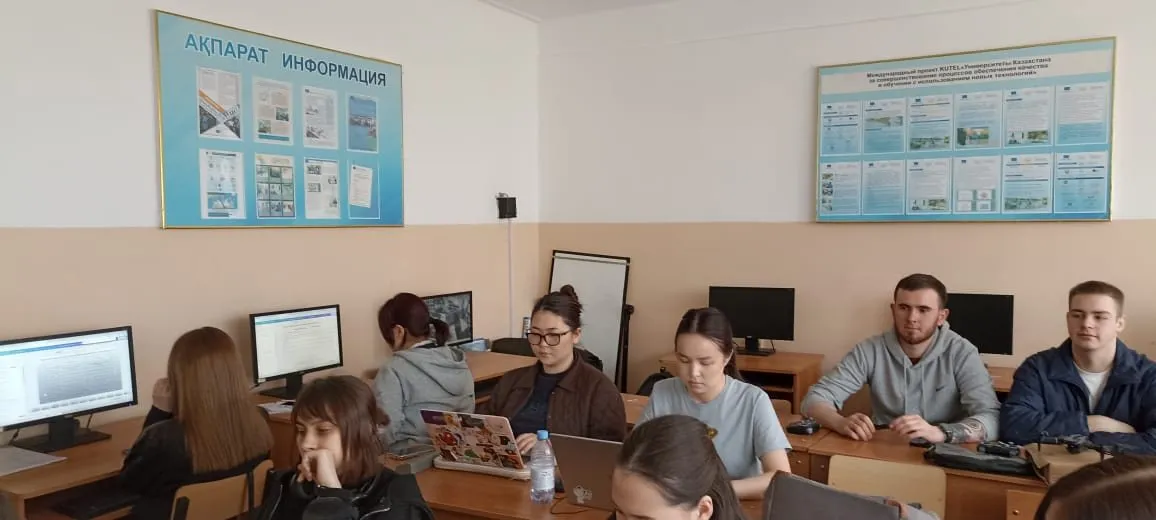
- Establishment of a KUTEL laboratory, where training sessions were conducted (and still are conducted) not only within the framework of the project, but also to this day, as well as the subsequent use of the laboratory by university students and faculty;
- Training of about 50 university QMS staff, administrative staff, and faculty on the KUTEL project course to implement, improve competencies/skills on the implementation of the TEL QA on their courses and study programs, with subsequent certification;
- Improvement the quality of educational services, methodology through the application of the KUTEL project's QA and TEL strategies;
- Prepared Guidelines and best practices for implementing KUTEL QA Framework in e-learning programmes;
- Preparation of the Accreditation Statement of KUTEL QA Framework (DEV 2.9)- an official document discussed with MES RK and the key actors responsible for the accreditation of the educational e-learning programs involved in the KUTEL partnership.
- Understanding that quality assurance is the foundation for change and development in higher education as a whole, ability to develop quality management processes, as well as to implement a quality management system based on TEL education.
Target beneficiaries
The Project Consortium brings together 14 organisations: 4 are from European countries - Italy, Bulgaria, Finland and Greece – and 10 are from Kazakhstan. The Kazakh organisations involved are 7 Universities from different areas of the country, the Ministry of Science and Education, an Accreditation Agency and a Public Foundation.
Kazakhstan partners and targeted beneficiaries of the KUTEL project (10): Sh. Ualikhanov Kokshetau State University; International Information Technology University, Abai Myrzakhmetov Kokshetau University; Kostanay State Pedagogical University (now Akhmet Baitursynov Kostanay Regional University – ABKRU) ; O.A. Baikonurov Zhezkazgan University; MES RK; IAAR; Public Foundation “Youth Front of the Leader of the Nation” (FUND); NAO “Almaty University of Power Engineering and Telecommunications”; Caspian State University of Technology and Engineering named after A.I. Yesenov.
The project's benefits, both tangible and intangible, were significant, given that it wasn't limited to just members of each partner's team, nor was it widely disseminated. The training involved a much larger number of people, including various officials, employers, and district and regional activists.
Tangible products include laboratories that are still operating, created and published textbooks, methodological recommendations, monographs and articles.
Intangible benefits include the expansion and deepening of such competencies as:
- Ability to review the university's educational provision in accordance with the TEL quality assurance criteria and principles;
- Ability to develop quality management processes, as well as the ability to implement a quality management system based on TEL education;
- Ability to monitor and evaluate processes related to TEL quality assurance.
And this is far from the entire list of intangible benefits of the project.
Sustainability
The project's completed objectives are currently sustainable in the following areas:
1. Principles for ensuring the quality of higher education at universities in accordance with the criteria and principles of quality assurance based on TEL.
The project contributed to the development of each university's own internal quality assurance system, consisting of a set of rules, regulations, and tools for ensuring the quality of the educational process. It also influenced the revision of the universities' strategic goals for modernizing the training of competitive specialists.
For example:
- At Abai Myrzakhmetov Kokshetau University (AMKU), the entire Quality Assurance Policy and Strategic Development Goals, defining the composition and content of its strategic objectives, were revised. The key areas of the quality assurance policy included modernization of the educational process, modernization of the research and innovation process, and modernization of infrastructure taking into account TEL.
- At the International Information Technology University (IITU), a Quality Department was established, and the University Development Strategy was revised with an emphasis on technology development.
- At O. Baikonurov Zhezkazgan University (ZhU), the quality assurance (QA) standards for technology-enhanced learning (TeL) developed during the project have been included in the university's Academic Excellence and Digital Transformation Policy. This has helped legitimize e-learning as a fully-fledged form of education on par with full-time education.
- Based on the project, a Quality Committee has been established at the Sh. Ualikhanov Kokshetau University, whose activities include coordination and monitoring of diploma, master's, and doctoral dissertations;
- At the G. Daukeyev Almaty University of Power Engineering and Telecommunications (AUPET), the e-learning quality assurance (QA in eLearning) standards and guidelines developed as part of the project have been officially approved by the Academic Council, posted on the website, and are currently in effect. Appendix 30 to the Academic Policy—Rules for Learning Using Distance Educational Technologies (DET)—has also been developed.
- Yessenov University to ensure the institutional sustainability of the project, developed the "Train the Trainers" model. Faculty trained in KUTEL programs systematically conduct internal seminars, workshops, and master classes, ensuring the transfer of accumulated competencies and the dissemination of modern approaches to digital pedagogy within the university. As part of the refinement of the blended learning policy, approaches to the implementation of several educational disciplines, including ICT, philosophy, and history, were updated, integrating digital educational resources, online components, and interactive teaching methods. Further development of the project's approaches was reflected in the integration of the "01 EDU SYSTEM" model—a new institutional education model based on artificial intelligence technologies, project-based and practice-oriented learning principles, and the widespread use of blended learning and a modern digital educational environment.
Thus, the project has contributed and continues to contribute to building the necessary human capital through comprehensive training for staff at all levels, from faculty to university administrators, official accreditation experts, and government officials.
2. Improvement, development and implementation of accreditation standards, guidelines and procedures to ensure the quality of study programmes in line with EU practice in Kazakhstani universities.
The above provisions, both during the project's implementation and currently, are constantly updated not only in response to changes in regulations but also in line with current trends, which is consistent with those of TEL. Primarily, the emphasis is on compliance with ESG standards and the standards of accreditation agencies.
Universities successfully complete all accreditation and post-monitoring procedures, which corresponds to compliance with and implementation of expert recommendations. For example, AMKU has received institutional and specialized accreditation of 76 educational programs (EPs) from the Independent Kazakhstan Accreditation Center for the maximum possible period of seven years. MUIT has undergone re-accreditation by ASIIN (Germany) until September 2031, and other universities participating in the project are also participating in the accreditation of EPs.
This fact also demonstrates the impact of the KUTEL project on the work of partner universities in meeting international standards, ensuring the sustainable development of universities and educational programs.
3. Modernize and reform teaching methods by implementing a quality assurance (QA) system for blended learning.
Recognizing the dynamic nature of technological change and the need to employ innovative methods and tools in blended learning, partner universities have developed their own system, including modernizing and reforming teaching methods, improving the quality of educational programs and courses through the KUTEL project's QA and TEL strategy, and upgrading technical equipment.
For example, at O. Baikonurov Zhezkazgan University (ZhU), the "Regulations on Conducting Classes Using Distance Learning Technologies" were revised in accordance with the European Roadmap for Quality Standards, developed through the project. A Center for the Development of Information Technologies and the Digital University has been established, responsible for monitoring the quality of online courses and supporting faculty using innovative methods. Faculty trained through the KUTEL pilot program continue to conduct regular internal seminars and master classes for colleagues, ensuring the transfer of accumulated competencies to new staff. A team of trainers continues to work at MUIT, presenting at annual methodological seminars of the Winter and Summer Schools of Teaching Excellence on topics related to the impact of TEL on the quality of educational programs and courses.
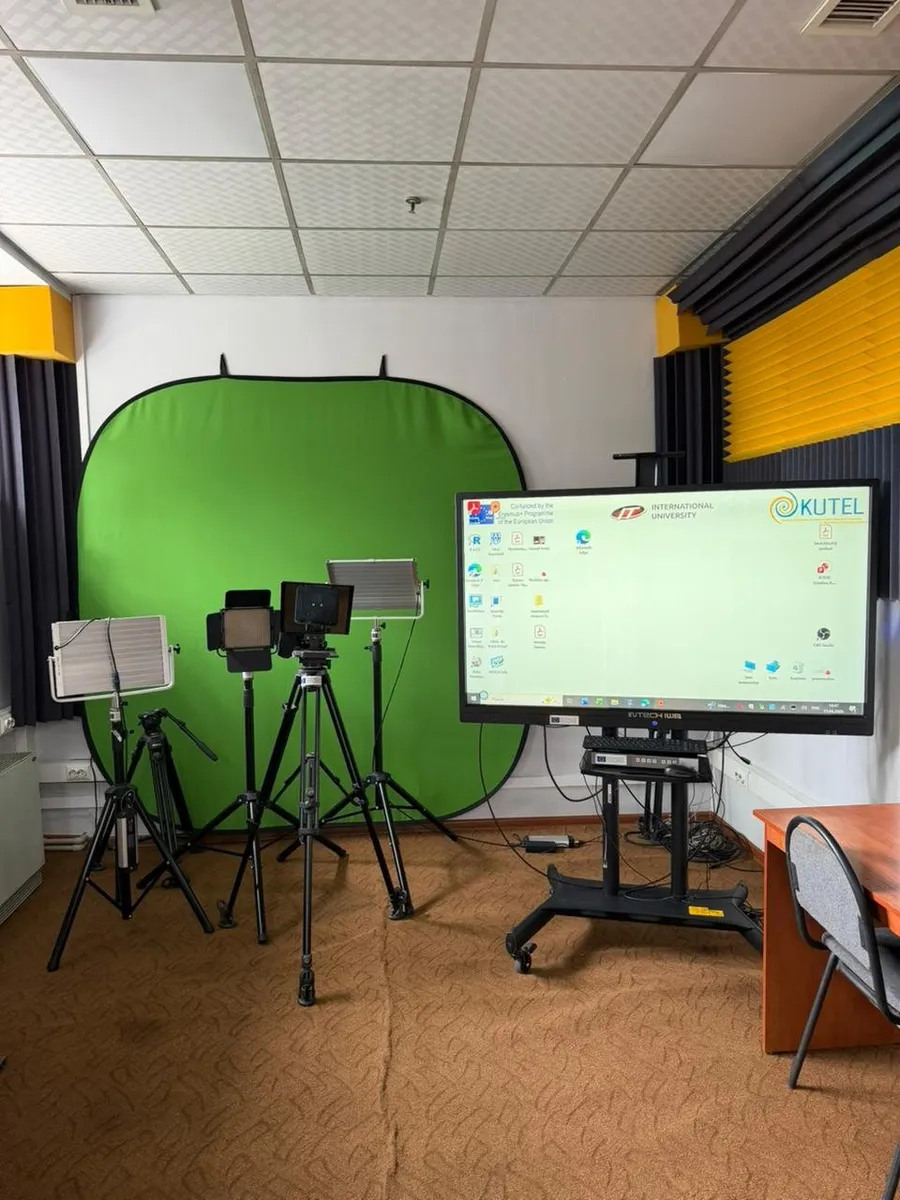
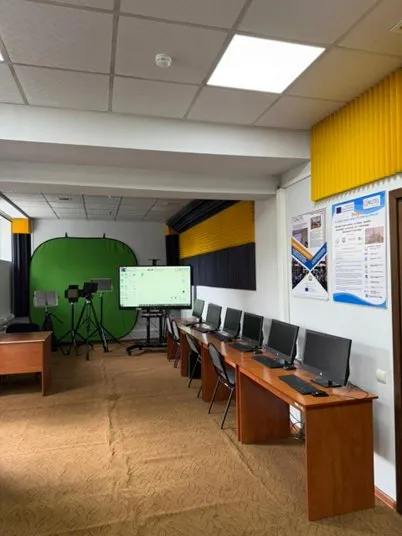
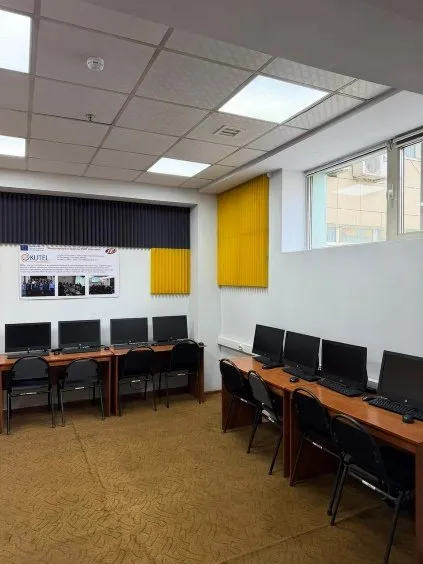
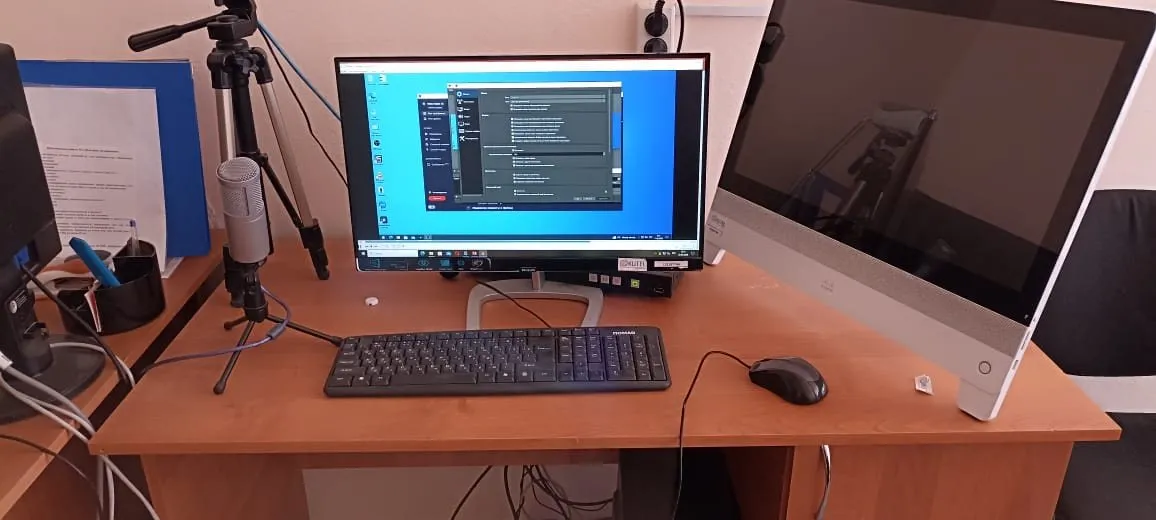
The sustainability of the project is also demonstrated by the KUTEL laboratories, created within the project and successfully operating to this day.
These unique laboratories continue to meet modern international requirements for e-learning and blended learning and are equipped with equipment that remains relevant today.
At the Sh. Ualikhanov Kokshetau University, the laboratory and equipment acquired within the project are performing important work in creating MOOCs, educational and informational videos, and other materials aimed at informing the public about the university's activities. Over the past three years, 32 online educational materials of varying length and content have been recorded. The developers of the online courses and other video materials are: - faculty, including scholars from abroad; - students who use the equipment to record podcasts whose content is of interest to young students; - employers who utilize the capabilities of the KUTEL laboratory.
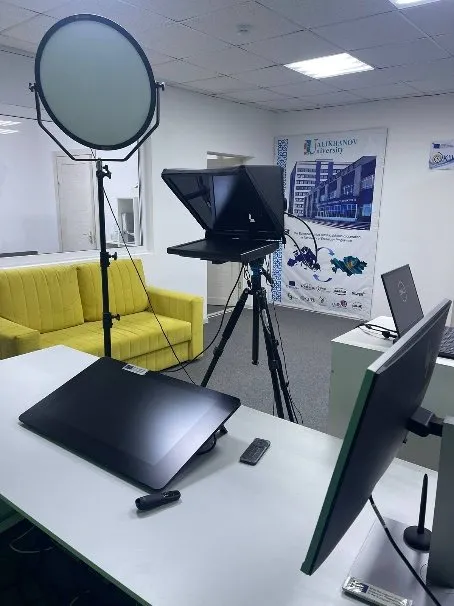
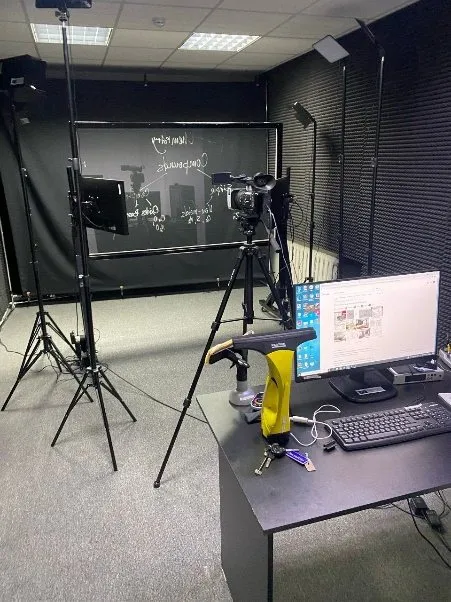
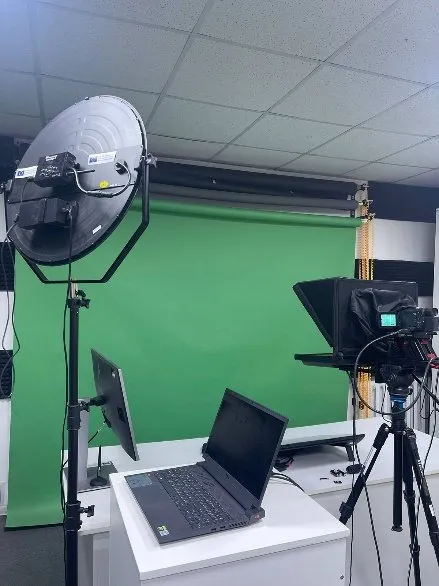
To develop blended learning, AMKU faculty members are also actively recording original video courses and posting them on their YouTube channel. Currently, the number of these video lectures has exceeded 500. Using the project's equipment, university faculty are developing electronic teaching aids that further promote blended learning and the widespread use of distance learning technologies. University staff have developed an internal platform, UTS, https://uts.kuam.kz/, which allows students to access all electronic educational resources related to their educational program.
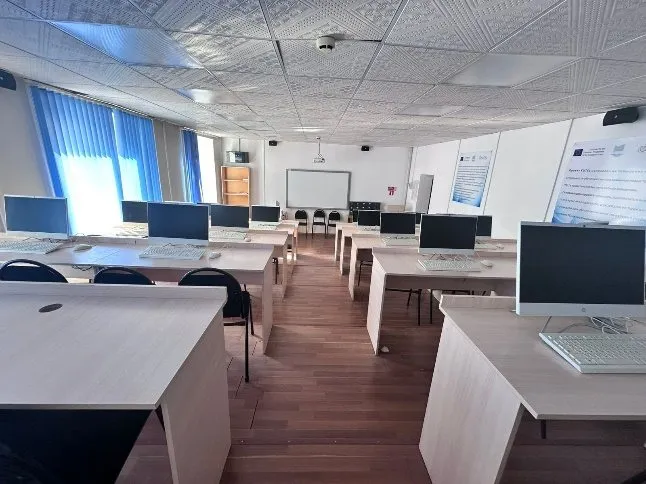
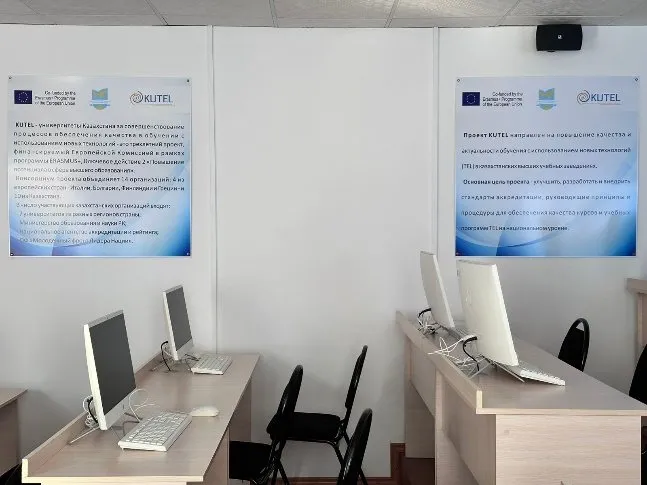
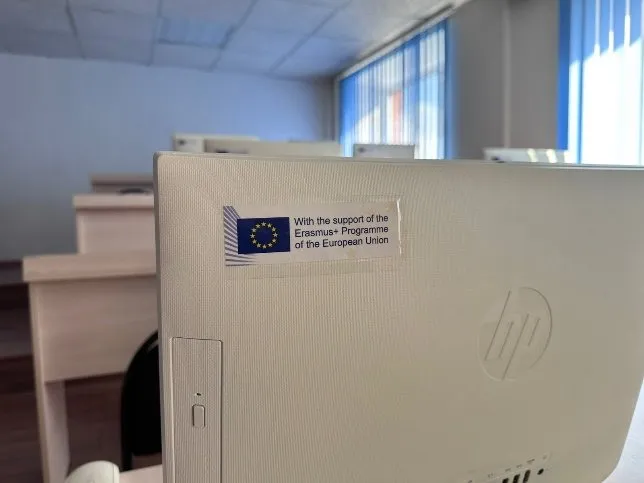
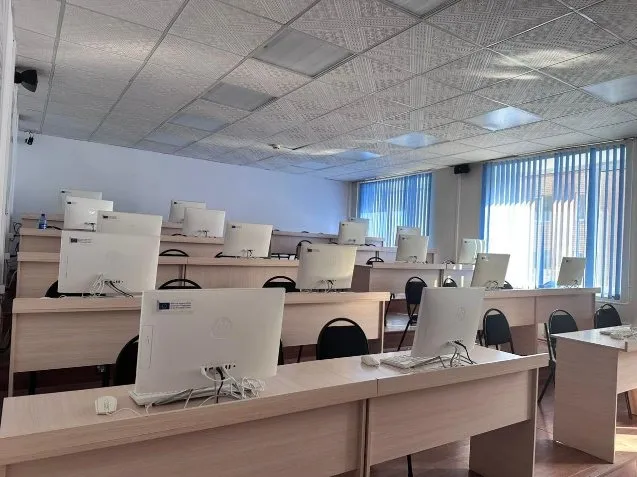
At IITU, the KUTEL laboratory is also used for video recording of educational materials, creating MOOCs, and conducting various online training programs, seminars, webinars, etc.
Despite the end of grant funding, the ZhU found internal resources to maintain and develop the project's results. Updating the e-learning software and server hardware is being financed by the university's own budget as part of the digital ecosystem development program. The results of the KUTEL project at the university demonstrate a high degree of sustainability. The project was not perceived as a one-time event, but rather served as a catalyst for a systemic transformation of the approach to educational quality.
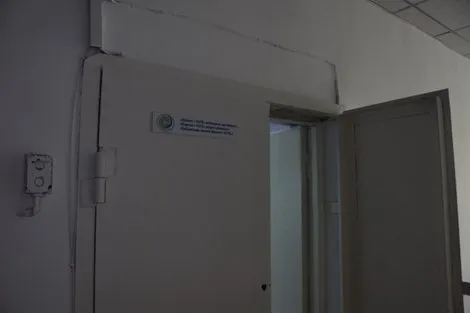
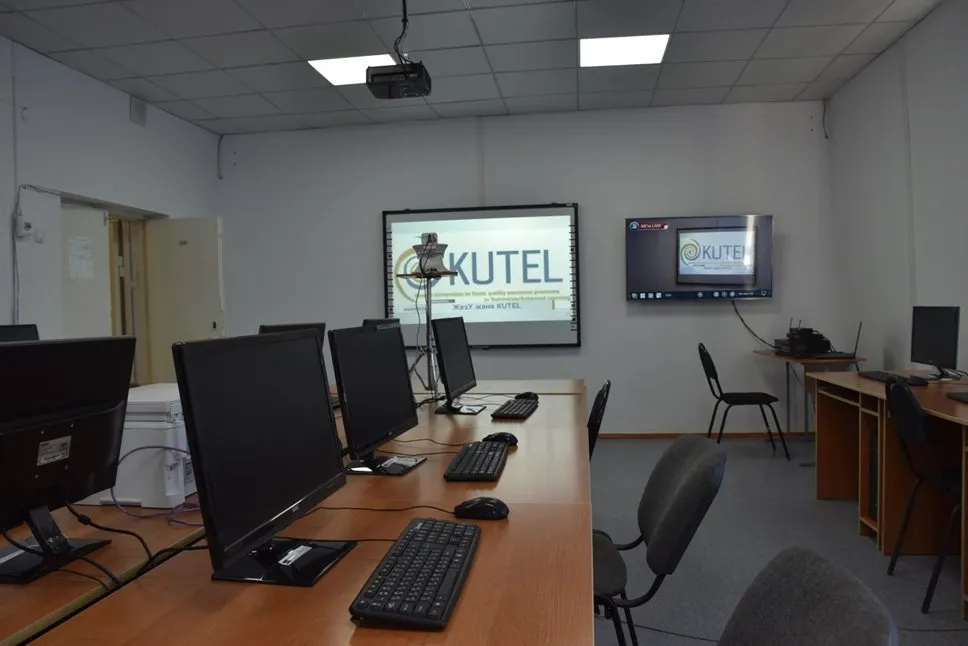
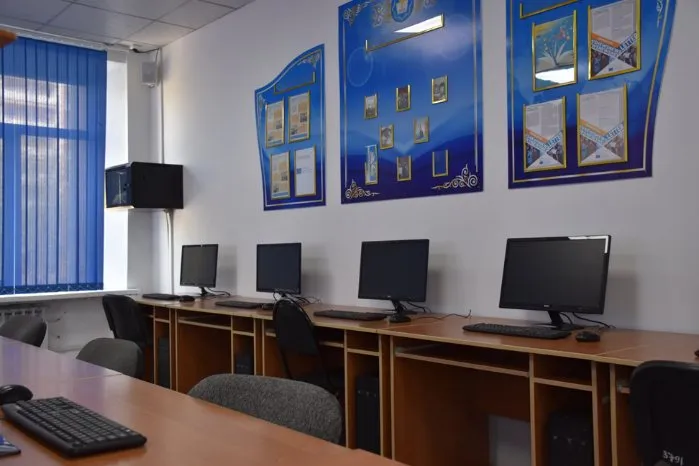
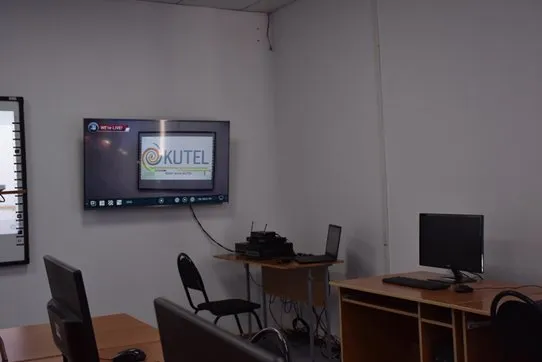
At ABKRU, the KUTEL laboratory conducts computer-based training sessions, focuses on preparing coursework and theses, preparing materials for articles, and participating in student paper competitions. The laboratory regularly hosts master classes and seminars with faculty from both near and far, including online. Faculty also record video lectures and actively integrate them into the educational process. For the period 2022-2025, lectures on Pedagogy, Physical Education Pedagogy, History of Physical Education and Sports (T.R. Khasanov), and New Approaches to Teaching and Assessment (N.Yu. Kifik) were recorded. These materials are especially useful for students in inclusive education, as well as students in the Faculty of Physical Education and Sports, who study on an individual schedule due to their participation in competitions at various levels and training camps for competitions.
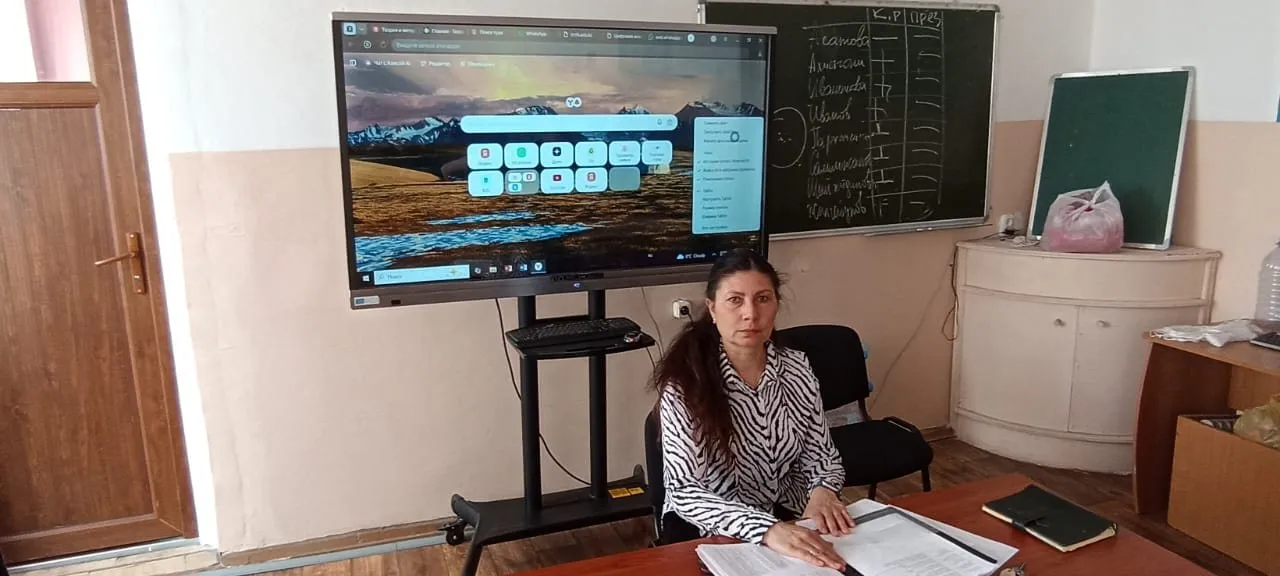
At Yessenov University upon completion of funding for the Erasmus+ KUTEL project, the university ensured the continued use of the project's results through internal organizational and financial resources.
The material and technical resources continue to be used to support digital and blended learning, as well as the development of the university's modern digital educational environment, support as part of the university's internal policy on digital transformation and the implementation of modern educational technologies.
Upon completion of the KUTEL project, the consortium participants signed an Exploitation Agreement, which aims to regulate the relationship between the partners regarding the use and further development of the KUTEL methodology and course content. The agreement continues the fruitful cooperation established within the KUTEL project, co-financed by the European Commission under the Erasmus+|KA2| program. CBHE 2018 Project (Project No. 598377-EPP-1-2018-1-IT-EPPKA2-CBHE-SP (2018 – 3771 /001 -001) "Kazakh Universities Promote Quality Assurance Processes in Technology-Enabled Learning (KUTEL)".
This agreement is concluded for five years, from November 15, 2021, to November 14, 2026.
According to the Agreement, the results and the developed KUTEL course shall be used as widely as possible by the educational community in Europe and Kazakhstan. The partners grant each other the right to commercial and non-commercial use of the materials of the e-course "Quality Assurance of Technology Enhanced Learning" and their results for the term of this Agreement.
In accordance with the Agreement, the partners agreed to exchange information and regularly report to each other on how the results and the KUTEL course are being used in their countries. This practice continues to this day. which creates the sustainability of the project results and guarantees their use over the next 5-10 years.
Impact
Impact at the institutional level:
Universities' participation in the project to modernize and reform higher education through the implementation of a national quality assurance system has enabled them to revise their existing quality assurance policies, aligning them with ESG standards.
This has also influenced the influx of students seeking training in modern laboratories using innovative technologies. Equipment such as specialized models such as AREK media stations and licensed programs allow faculty to conduct classes during distance learning with live streaming to the university's educational Moodle, YouTube, Socrative, and other platforms, thereby providing students with maximum opportunities to gain the necessary knowledge.
In accordance with the goals and work plans of RP2 – "Development," training participants included not only university faculty but also administrative staff, representatives of the Quality and Quality Management Departments, and members of top management, necessitating the significant involvement of individuals who play key roles in determining university policy and strategy. Module courses such as "Mainstreaming TEL quality criteria and principles in the Quality Framework for HE - challenges and barriers," "Defining and designing external quality assurance procedures as a driver for organizational development and cultural change," "Internal QA standards: policies and guidelines," and "Learning Management System (LMS) quality evaluation framework" will motivate them to reconsider their approaches to ensuring and evaluating the quality of educational activities.
Documents Dev. 1.3 "Baseline Kazakhstan TEL Quality Assurance Framework" and Dev. 1.4 "Recommendations KUTEL Quality Assurance Framework" significantly influenced these modules. In these documents, international partners presented their proposals for improving the TEL framework for Kazakhstani universities. Based on these proposals, the partners analysed the barriers to implementing the TEL quality assurance framework at universities and identified measures to overcome them based on a comprehensive assessment of the current state of the existing TEL quality assurance framework.
The consortium's universities are already enjoying significant impact:
- Established international and domestic scientific and educational links between project participants;
- Use of tools to improve the quality of educational services;
- Experience in quality management based on TEL education;
- Improving the level of competencies and skills at universities through the development of new and innovative educational programs;
- Improving the overall level of ICT competencies of team members;
- Making online education accessible;
- Increasing the number of students using multimedia content;
- Developing internal regulatory documents to improve quality.
In accordance with the objectives and work plans of KUTEL project, training participants included not only university faculty but also administrative staff, representatives of the Quality Management Departments, and members of top management. That implied the significant involvement of individuals who play key roles in determining university policy and strategy, motivated them to reconsider their approaches to ensuring and evaluating the quality of educational activities.
Also, project teams of all Kazakhstani universities were approved by orders of the rectors, therefore also influential members of the university staff. Along with experienced team members, there were those participating in the project for the first time. The proper distribution of responsibilities and the accountability of each member not only influence the successful completion of the project's objectives but also have a direct impact on both the team members and the university's operations, and ultimately, on the country's higher education system as a whole.
In addition to the impact described above, at individual universities the project's results have enabled:
- to improve the assessment of barriers to implementing the TEL quality assurance framework, identify measures to overcome them based on the results of a comprehensive assessment of the current state of the existing TEL quality assurance framework;
- establish international and domestic scientific and educational links between project participants;
- assist the university administrations in organizing student activities through a system of specialized student organizations and associations, which are the primary means of participating in university affairs, including in education quality management. (AMKU, IITU, ABKRU).
- make a significant impact on university management, particularly in the area of distance and blended education, as the university has the opportunity to create modern audio and video courses in an experimental laboratory. Faculty training in the use of advanced technologies for creating audio and video materials still has an effect. (AUPET).
- rethink the logic and structure of the Quality Policy and make changes to them based on "Policy for Quality Assurance of e-Assessment" module of KUTEL e-course. (KokSU).
- to broadly and deeply develop the research activity of not only team members, but also other involved individuals, which resulted in an increase in publications not only individually, but also for each university separately. (Yessenov University, IITU and others). The memorandums signed within the framework of the project with several industrial enterprises of the Mangystau region (LLP "SP "CASPI BITUM", LLP "KazAzot", LLP "MAEK-Kazatomprom") made it possible to improve the quality of educational programs through the expertise of enterprises. The memoranda are still in force.
- The IAAR used the acquired knowledge in developing the "Guidelines for organizing and conducting an online visit of the IAAR external expert commission (including a visit of the expert group on post-accreditation monitoring) especially during the period of restrictive measures.
Impact at the individual level:
Upon completion of the project, a survey was conducted to assess the impact of the project experience on an individual level, which undoubtedly continues to this day.
Here are some examples:
KUAM - N.S. Salikova - "The project helped me successfully pass the TOEFL test for the 2019 Best Teacher competition, independently translate the project's teaching materials into English, master the technology of video recording lecture materials using Adobe Presenter and use it to record video materials for three project courses and create video lectures on the subject taught (Radiation Ecology);
IAAR - N. Kydyrmina - Thanks to the KUTEL project, IAAR staff improved their English proficiency, improved their technology skills (Adobe Presenter), and established new connections with the project's partner universities. While developing the e-course, we learned a lot about ensuring quality education using advanced technologies.
KSU named after Sh. Ualikhanov - A.A. Shayakhmetov – "The development of the KUTEL e-course modules was particularly significant in the KUTEL project. I participated in developing modules 3-5 – Tutoring. This work was timely, as the situation in our country and the world at large, affected by the virus and the pandemic, and the state of emergency, demonstrated that the use of electronic resources can quickly replace traditional forms of education."
IITU – Duzbaev N.T. – "I believe that in addition to developing partnerships, projects produce very high-quality products, such as educational programs, teaching aids, recommendations, and concepts. I believe the course I developed was one of them. Moreover, it was possible not only to develop these products but also to test them on a large audience."
IITU - Rakhmetullaeva S. – "I completed a number of interesting and diverse tasks, gained new knowledge, and expanded my research skills." On the one hand, the acquired skills and knowledge served as a trigger for improving teaching skills: meaningful and diverse (both in terms of the courses developed and the services used, and in terms of the diversity of working methods and the competencies developed).
ZheU - Zamzagul Kashkinbayeva,- (coordinator, participating for the first time) – “This is my first time participating in an international project. Firstly, I was brought into the project at a very early stage, precisely when lectures, presentations, and other materials needed to be developed. There were numerous misunderstandings regarding the implementation of various stages of the project, fears of letting down my colleagues, insufficient knowledge of the project topic and how to carry out international-level work, etc. But the help and support of our coordinators, country coordinator, and fellow consortium members allowed me to get comfortable, complete all the necessary steps to create a course of modules, and set up a lab. Participating in the project not only gave me new knowledge in the field of quality assurance in technology-based education but also allowed me to apply it practically in my classes and throughout the university”.
A.K. Kapyshev (AMKU), “In the area of student service quality assurance, the university has begun conducting more frequent sociological surveys to assess student and consumer satisfaction with the quality of educational services. Student surveys provide insight into the professionalism of the faculty, program coherence, and the effectiveness of the educational process. Regarding the implementation of new teaching methods, it is worth noting the use of webquest technology as a means of developing students' independent critical and creative thinking. A webquest is a problem-based assignment, a project using internet resources; more precisely, it is a scenario for organizing students' project-based activities on any topic. Regarding personal skills, it is worth noting the increased and improved use of social platforms such as ZOOM, videoconferencing, and others especially during the coronavirus pandemic”.
N. Kifik (ABKRU) – "Joint work with European partners gave us the opportunity to learn how this mechanism for improving the quality of the educational process is implemented at European universities, how monitoring is conducted, and how the mechanism for addressing issues is being improved."
Impact at the national level:
One of the results of the KUTEL project was the e-course "Quality Assurance of Technology Enhanced Learning," developed by the entire consortium. It consists of five modules, including video lectures, presentations, text material, and test questions in three languages: Kazakh, Russian, and English. The modules include:
- Module 1 - External Quality Assurance - Standards and Recommendations.
- Module 2 - Internal Quality Control and Organizational Culture.
- Module 3 - Quality Assurance of Pedagogical Aspects of TEL Course Development.
- Module 4 - Technological Aspects and Quality Assurance.
- Module 5 - TEL Quality Assessment and Analysis.
The course was thoroughly studied not only by the participating universities, which led to changes at the institutional level, but was also disseminated throughout Kazakhstan through national webinars held with the direct support of the Ministry of Science and Higher Education. The webinars were attended by 368 representatives from all universities in Kazakhstan, ensuring broad participation and dissemination of the project's results throughout the country.
Additionally the project's results were used by the Independent Agency for Accreditation and Rating (IAAR) in developing the "Standards for International Accreditation of Educational Organizations and Educational Programs Implemented Using Digital Technologies" to assist universities in externally assessing the quality of e-learning. The KUTEL project pilot course enabled university staff (managers, lecturers, administrative and technical specialists) responsible for accreditation and education quality assessment to develop and improve their skills in implementing technology-enhanced learning (TEL).
Successful application of its results at Kazakhstani universities contributed to modernization of the education management system, maximizing the potential of e-learning. This, in turn, will facilitate the transformation of Kazakhstani universities into a new generation of educational organizations.
Impact at the international level:
Close collaboration with European partners within the project undoubtedly influenced not only the introduction of different approaches to research and educational activities, but also cultural and worldview perspectives. As a result of this collaboration, cooperation agreements were signed between KOkSU and the Burgas Free university, and contacts with team members from Finland, Greece, Italy, and Bulgaria continue.
Thus, the project has contributed and continues to contribute to building the necessary human capital through comprehensive training for staff at all levels, from faculty to university administrators, official accreditation experts, and government officials.
Challenges and lessons learned
The project began in 2018, and its results are still relevant today, as they are built not on specific types of technologies, but on a general approach to the quality of teaching and learning based on a variety of rapidly changing and developing technologies.
The project's intensive work not only on explaining the essence of quality assurance in Higher education using TEL approach but also on its application, especially as tested during the project, provided a truly powerful impetus for the development of each partner university.
One of the challenges is the further development of students’ assessment of the educational process which is widely developed in EU universities. In the Kazakhstani education system, there is a lack of systematic dialogue between student organizations involved in the education quality assessment process, as well as with external organizations and bodies conducting education quality assessment. Students are the most adequate evaluators of the higher education system, as they are most interested in its results and understand it from the inside. The student quality standard for higher education is a tool that will enable students to participate in the management of educational organizations by assessing and improving the quality of services provided.