A New Cybersecurity Laboratory Opens at IITU as Part of the Erasmus+ CYBER4CA Project
On October 1, the International Information Technology University (IITU) held a grand opening ceremony for a new state-of-the-art cybersecurity laboratory as part of the CYBER4CA project (“Development of Innovative Master's Programmes in Cybersecurity for the Digital Labour Market in Central Asia”), implemented within the framework of the European Union's Erasmus+ programme.
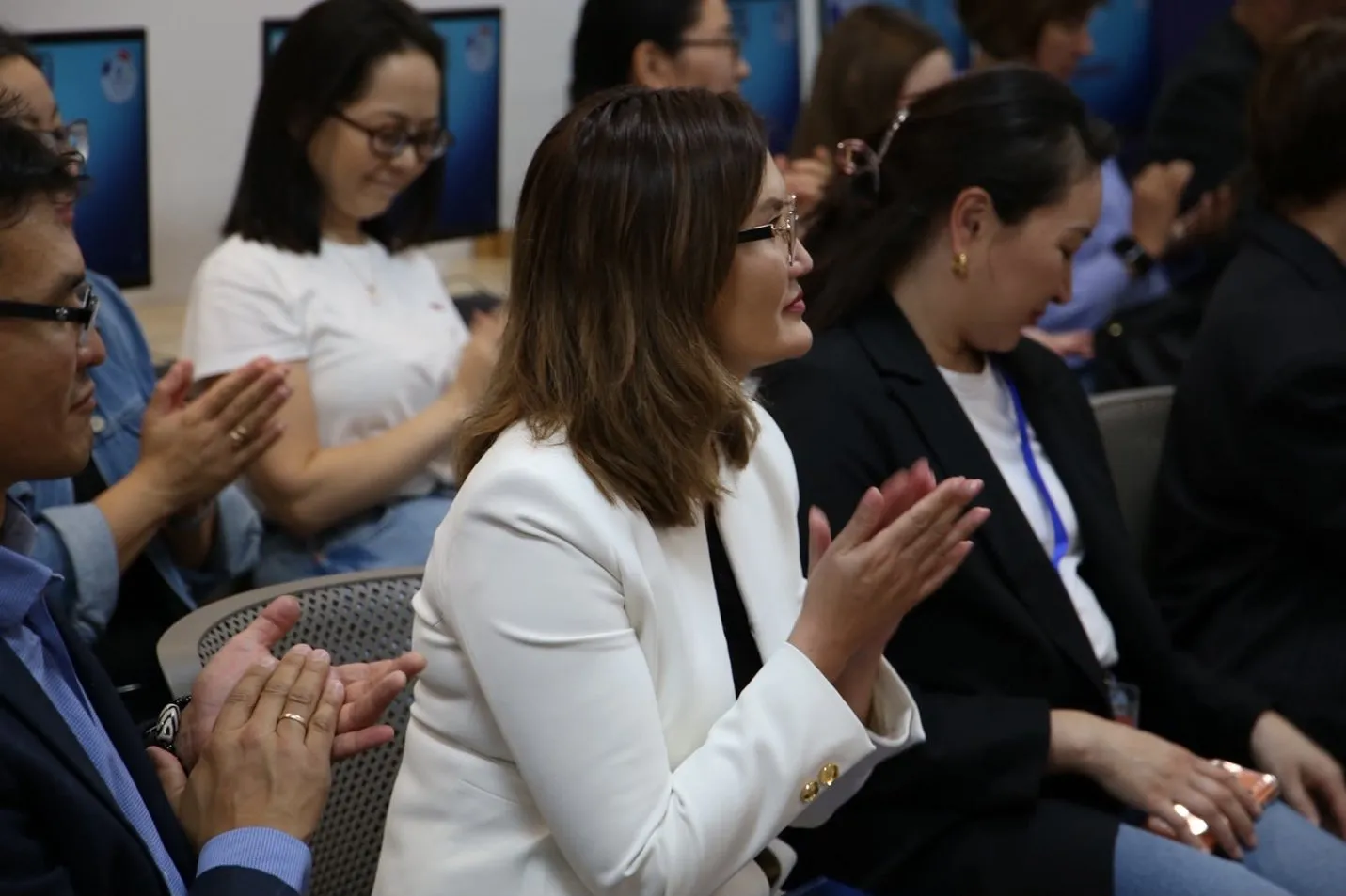
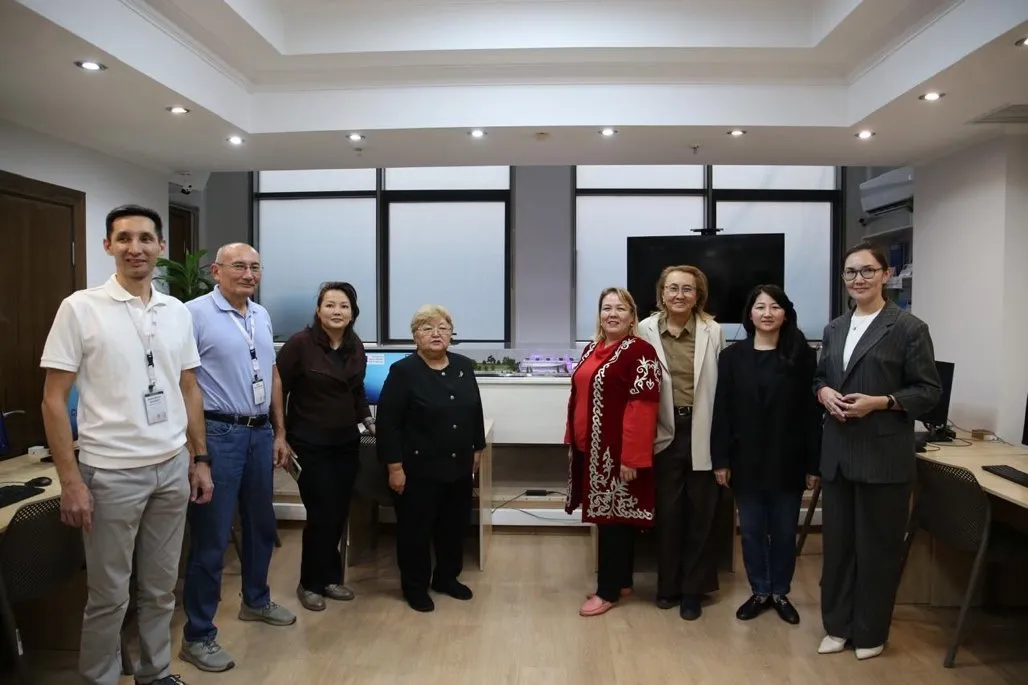
The event brought together CYBER4CA project partners, university faculty members, master's students and undergraduate students. The project partners include Tashkent University of Information Technologies (TUIT) from Uzbekistan, Universidad Politécnica de Madrid from Spain and University Politehnica of Bucharest from Romania. The participation of international partners further highlights the importance of the project in strengthening educational and research cooperation.
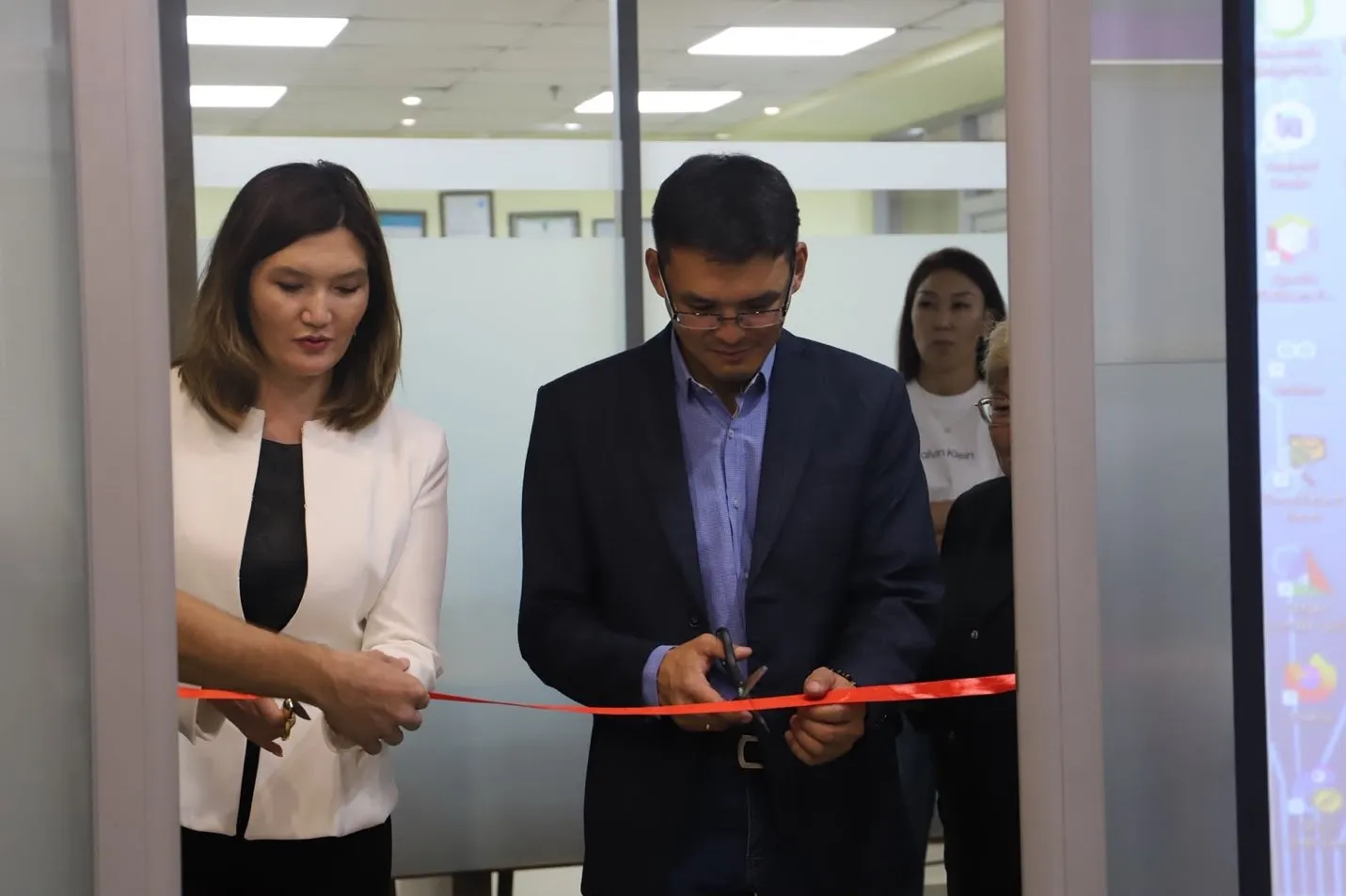
The opening ceremony was attended by IITU Rector Gulmira Bekmanova, who symbolically cut the ribbon. In her speech, the Rector emphasized that the new laboratory will serve as an important educational platform enabling students and master's students to apply theoretical knowledge in practice, work with modern technologies and develop professional skills in cybersecurity.
Gulmira Bekmanova also highlighted the importance of support from the Erasmus+ programme. She noted that the CYBER4CA project enables the university not only to equip its educational infrastructure with modern technical facilities, but also to improve educational programmes, introduce new courses and integrate international experience into the learning process.
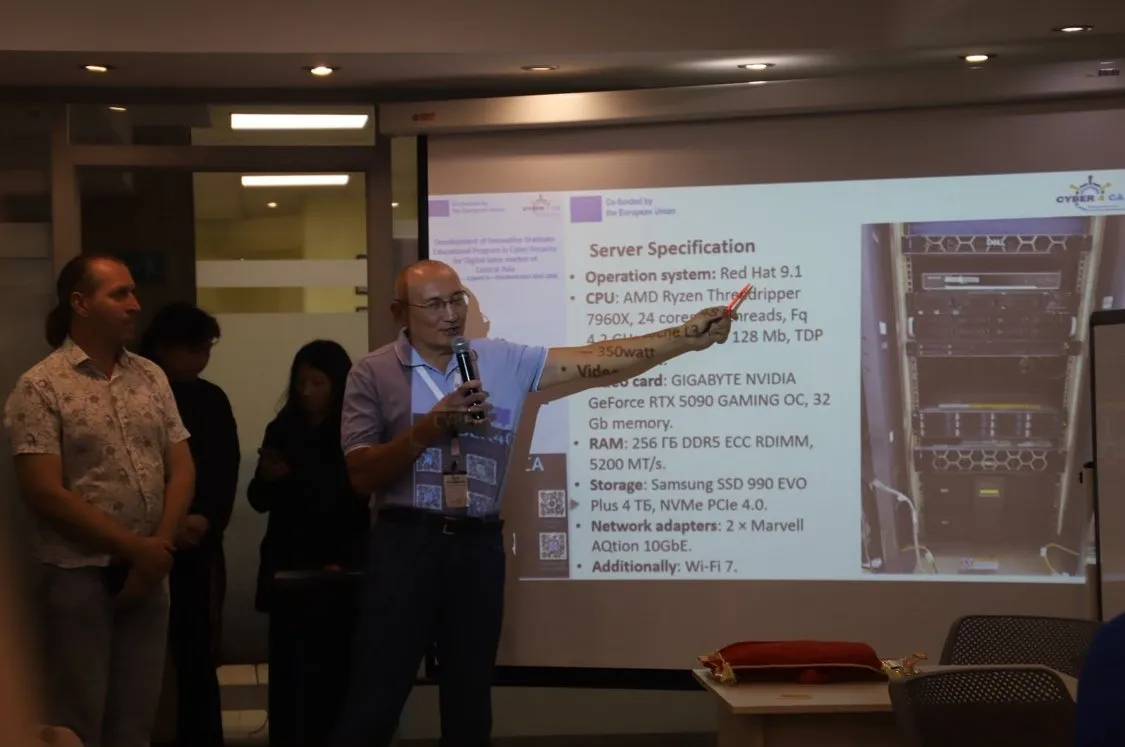
During the event, participants were introduced to the technical capabilities of the new laboratory and its applications in the educational process. Assistant Professor Galymzada Alin presented the server technologies installed in the laboratory, their capabilities and their use for educational purposes. He noted that the new equipment provides students with effective opportunities to work with server infrastructure, configure systems and complete practical cybersecurity assignments.
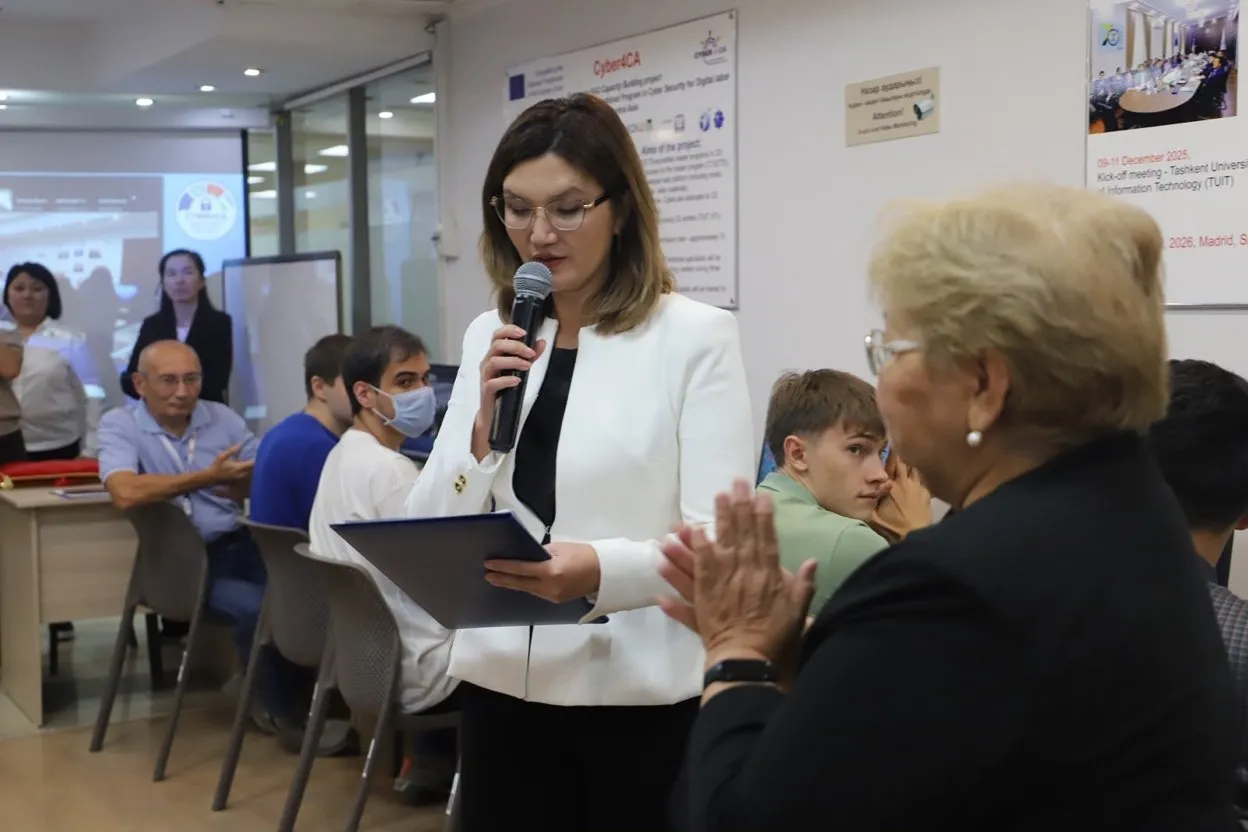
The laboratory's capabilities were not limited to a presentation and were also demonstrated in practice. One of the master's students spoke about the importance of the laboratory for the educational process and shared their perspective. In addition, participants completed a practical task on one of the laboratory computers, allowing them to directly test the new equipment and software capabilities. This demonstrated the laboratory's key purpose — complementing theoretical knowledge with practical skills.
Participants were also introduced to the capabilities of the Cyber Polygon platform. Through the platform, students can simulate cyber threats and gain hands-on experience in responding to various types of cyberattacks. Such a practical environment contributes to the development of professional competencies among future cybersecurity specialists.
International partners, in turn, emphasized the importance of cooperation within the CYBER4CA project. European universities such as Universidad Politécnica de Madrid and University Politehnica of Bucharest contribute to the development of the project's educational component, faculty training and the organization of joint educational seminars. Tashkent University of Information Technologies plays an important role in strengthening partnership and knowledge exchange across Central Asia.
Why is such a laboratory important?
The rapid development of digitalization is accompanied by increasingly sophisticated cyber threats. As a result, the labour market is seeing growing demand for cybersecurity professionals who possess not only theoretical knowledge but also practical experience.
The new laboratory provides students and master's students with opportunities to:
- simulate cyber threats;
- work with server technologies;
- study the security of information systems;
- complete practical assignments in a real technical environment;
- apply modern cybersecurity tools in practice.
Gulnara Zakirova noted that the new laboratory is not the only facility at the university dedicated to developing students' practical knowledge. IITU operates several modern laboratories and educational platforms designed to help students strengthen their professional skills. One of them is the Cyber Polygon cybersecurity training ground.
According to her, the university plans to continue expanding the number of modern laboratories and practice-oriented educational facilities. The main goal is not only to provide students with high-quality education, but also to equip them with practical skills that meet the real requirements of the labour market.
The opening of the new cybersecurity laboratory marks an important step in the development of IITU's educational infrastructure. International cooperation under the Erasmus+ programme and the CYBER4CA project not only expands the university's technical capabilities but also provides students with access to modern education based on international experience.
The new laboratory is more than just a space equipped with modern computers and servers. It is a modern educational environment where students and master's students can put theoretical knowledge into practice, learn to work with real technologies and develop the professional competencies required for the digital labour market of the future.
CYBER4CA
Photos